Read our blogs with latest update

OUR BLOGS

72336ce1-72dc-46f8-882f-82b91f18a0f9-1200x675.png
10/Oct/2026

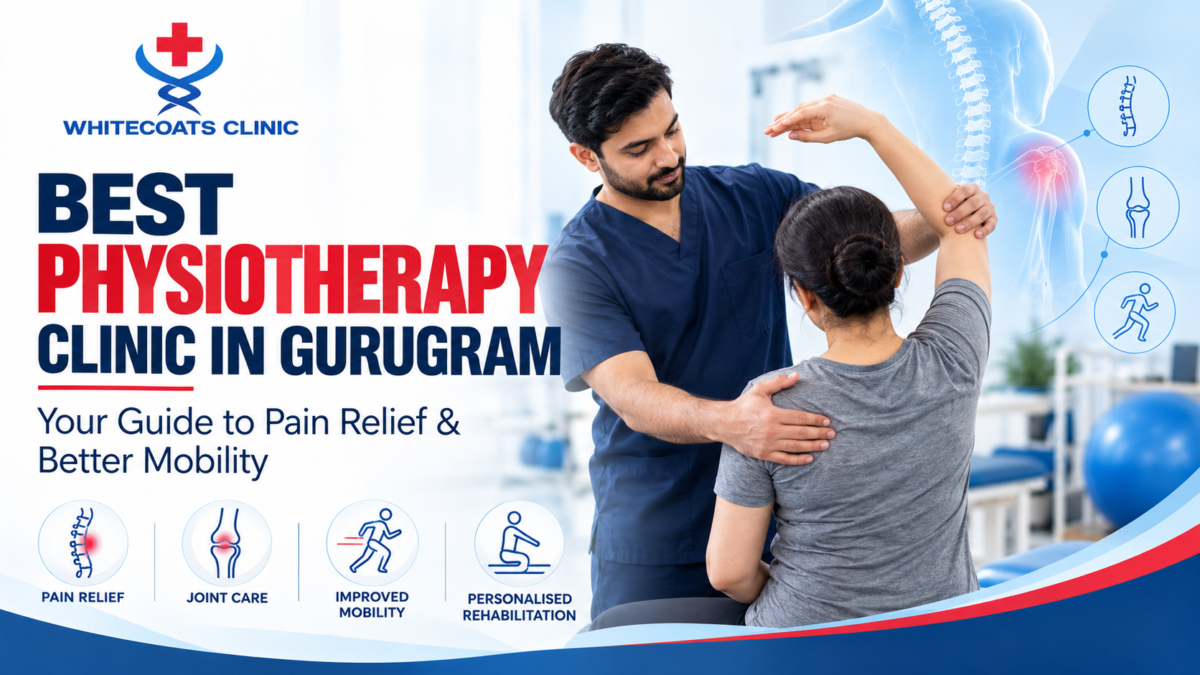
Physical pain, muscle stiffness, joint problems, and movement difficulties can affect everyday activities, from walking and climbing stairs to sitting at work or participating in sports. Physiotherapy offers a non-surgical approach to improving mobility, restoring strength, and helping individuals return to their daily routines.

If you are searching for the best physiotherapy clinic in Gurugram, choosing a clinic that provides personalised assessments, evidence-based treatment, and rehabilitation plans tailored to your needs is essential.

Whitecoats Clinic aims to support patients in improving movement, managing pain, and recovering from injuries through appropriate healthcare and rehabilitation services. Whether you are experiencing back pain, neck stiffness, sports injuries, or difficulty recovering after surgery, professional physiotherapy can help you work towards better physical function and quality of life.

What Is Physiotherapy?

Physiotherapy is a healthcare discipline that focuses on assessing, treating, and preventing problems affecting movement and physical function. It uses therapeutic exercises, manual techniques, movement training, and other appropriate interventions to help patients manage pain and improve mobility.

A physiotherapist evaluates the underlying cause of your symptoms, your movement patterns, muscle strength, flexibility, and medical history before developing a treatment plan.

Physiotherapy may benefit people of different ages, including office professionals, athletes, older adults, and individuals recovering from injuries or surgery.

Why Choose a Physiotherapy Clinic in Gurugram?

Gurugram’s busy lifestyle often involves long working hours, prolonged sitting, limited physical activity, and daily commuting. These factors can contribute to musculoskeletal discomfort and movement-related problems.

Choosing a suitable physiotherapy clinic can help you address these concerns with a structured rehabilitation plan.

1. Personalised Treatment Plans

Every patient has different symptoms, physical abilities, and recovery goals. A personalised physiotherapy programme considers these differences rather than applying the same exercises to everyone.

2. Non-Surgical Pain Management

Many musculoskeletal conditions can be managed conservatively through exercise, education, activity modification, and other appropriate physiotherapy techniques. Surgery may still be necessary for certain conditions, depending on their severity.

3. Improved Strength and Flexibility

Targeted exercises help improve muscle strength, joint mobility, balance, and flexibility. These improvements can support everyday activities and reduce movement limitations.

4. Rehabilitation After Injury or Surgery

A structured rehabilitation programme can help patients gradually regain movement and function after orthopaedic injuries or surgery, according to their surgeon’s instructions and individual recovery needs.

5. Guidance for Long-Term Physical Health

Physiotherapy also focuses on teaching patients how to move safely, maintain an appropriate exercise routine, and manage activities that aggravate their symptoms.

Conditions Treated Through Physiotherapy

A physiotherapy assessment may help identify suitable treatment options for a wide range of musculoskeletal and movement-related conditions.

1. Back Pain and Lower Back Pain

Lower back pain is common among people who spend long hours sitting, lift heavy objects, or have reduced physical activity.

Physiotherapy may include strengthening exercises, mobility training, movement education, and gradual return to normal activities. Treatment depends on the cause of the pain and the patient’s symptoms.

2. Neck Pain and Cervical Stiffness

Poor workstation ergonomics, prolonged screen use, muscle tension, and certain cervical spine conditions can contribute to neck discomfort.

A physiotherapist may recommend posture adjustments, neck mobility exercises, strengthening, and other suitable interventions to improve function.

3. Knee Pain and Joint Problems

Knee pain can occur due to osteoarthritis, sports injuries, muscle weakness, or problems involving the ligaments and surrounding structures.

Physiotherapy may help improve knee strength, flexibility, balance, and walking ability. Following knee surgery, rehabilitation is tailored to the procedure and the treating surgeon’s protocol.

4. Shoulder Pain and Frozen Shoulder

Shoulder stiffness can make everyday tasks such as dressing, reaching overhead, or lifting objects difficult.

Depending on the diagnosis, treatment may involve carefully progressed mobility exercises, strengthening, and movement training to improve shoulder function.

5. Sports Injuries

Athletes and physically active individuals may experience muscle strains, ligament injuries, tendon problems, and joint sprains.

Sports physiotherapy can support recovery, restore strength and coordination, and prepare patients for a gradual return to their sport.

6. Post-Surgical Rehabilitation

Physiotherapy may be recommended after procedures such as knee replacement, hip replacement, or selected spinal and orthopaedic surgeries.

A rehabilitation plan helps patients progress safely through exercises and functional activities in accordance with medical advice.

7. Balance and Mobility Difficulties

Older adults and people recovering from certain illnesses or injuries may experience difficulty walking, reduced balance, or an increased risk of falls.

Appropriate physiotherapy may include balance training, gait rehabilitation, strengthening exercises, and advice on safer movement.

Physiotherapy Treatments and Techniques

The right treatment depends on the patient’s diagnosis, symptoms, physical assessment, and recovery goals.

Common physiotherapy approaches include:

Therapeutic exercises: Structured exercises to improve strength, flexibility, endurance, balance, and coordination.

Manual therapy: Selected hands-on techniques to address joint stiffness, movement restrictions, or musculoskeletal discomfort when clinically appropriate.

Posture and ergonomic training: Guidance on workstation setup, sitting positions, lifting techniques, and movement habits.

Gait and balance training: Exercises that improve walking ability, stability, and confidence during movement.

Post-operative rehabilitation: Progressive exercises and functional training following surgery, based on the treating team’s instructions.

Pain management strategies: Education, activity modification, and selected physical modalities when appropriate as part of a broader treatment plan.

Physiotherapy should be based on a proper assessment. No single technique is suitable for every condition, and treatment outcomes vary between individuals.

How to Choose the Best Physiotherapy Clinic in Gurugram?

Before selecting a physiotherapy clinic, consider the following factors.

Qualified Physiotherapists

Check whether the professionals providing treatment have appropriate qualifications, registration where applicable, and experience relevant to your condition.

Detailed Initial Assessment

A suitable clinic should evaluate your symptoms, medical history, movement, strength, and functional limitations before recommending treatment.

Individualised Rehabilitation

Your treatment plan should reflect your specific needs, abilities, and goals, with adjustments based on your progress.

Clear Communication

The physiotherapist should explain your condition, treatment options, expected progress, and exercises you may need to perform at home.

Progress Monitoring

Regular assessments help determine whether treatment is improving pain, movement, strength, and daily function.

Convenient Location and Follow-Up

Choosing a clinic that is accessible from your home or workplace can make it easier to attend appointments consistently.

Why Consider Whitecoats Clinic for Physiotherapy?

When looking for a physiotherapy clinic in Gurugram, patients should prioritise appropriate assessment, qualified care, and a treatment plan that addresses their individual needs.

Whitecoats Clinic can be considered by patients seeking guidance for pain management, mobility concerns, injury recovery, or rehabilitation. Before booking, patients should confirm the clinic’s current physiotherapy services, available specialists, appointment timings, and treatment facilities.

A patient-centred approach to physiotherapy should focus on understanding the problem, setting realistic recovery goals, explaining the available options, and helping patients participate actively in their rehabilitation.

The objective is not simply to reduce discomfort temporarily but to help patients improve physical function and build sustainable movement habits.

What to Expect During Your First Physiotherapy Session?

Your first appointment generally involves an assessment followed by a discussion of suitable treatment options.

Step 1: Medical history and symptoms

The physiotherapist asks about your pain, previous injuries, medical conditions, daily activities, and treatment history.

Step 2: Physical assessment

Depending on your condition, the assessment may include checking joint movement, muscle strength, flexibility, balance, posture, and functional activities.

Step 3: Treatment planning

The physiotherapist discusses the likely contributing factors, rehabilitation goals, and appropriate treatment options.

Step 4: Exercises and guidance

You may be given specific exercises, activity-modification advice, or other suitable interventions.

Step 5: Follow-up and progress review

Your progress is reviewed periodically, and the plan is adjusted according to your response and recovery.

The number of sessions required depends on the condition, its severity, your overall health, and your progress.

When Should You Consult a Physiotherapist?

Consider a physiotherapy assessment if you experience persistent back or neck pain, restricted joint movement, recurring muscle stiffness, difficulty walking, or limitations following an injury or surgery.

However, some symptoms require medical assessment before starting routine physiotherapy. Seek urgent medical attention for sudden limb weakness, new loss of bladder or bowel control, numbness around the groin, major trauma, or severe pain accompanied by fever. Chest pain, severe breathing difficulty, or sudden neurological symptoms require emergency care.

Early assessment can help identify the appropriate course of action and reduce the risk of aggravating an underlying condition.

Conclusion

Finding the best physiotherapy clinic in Gurugram involves choosing a provider that prioritises qualified care, personalised rehabilitation, clear communication, and measurable progress.

Physiotherapy can play an important role in managing back pain, neck stiffness, joint problems, sports injuries, and recovery after surgery. With an appropriate treatment plan and active participation, many patients can improve their mobility, strength, and ability to perform everyday activities.

Whitecoats Clinic may be an option to explore for your physiotherapy needs. Contact the clinic to confirm its available services and arrange an assessment suited to your condition.

Frequently Asked Questions (FAQs)

1. Which is the best physiotherapy clinic in Gurugram?

The best clinic depends on your condition, the qualifications of its physiotherapists, available treatment services, and the quality of its assessment and follow-up. Patients considering Whitecoats Clinic should confirm its current physiotherapy facilities and specialist availability before booking.

2. What conditions can physiotherapy treat?

Physiotherapy may help manage back pain, neck pain, knee problems, shoulder stiffness, sports injuries, balance difficulties, and movement limitations after surgery. Treatment depends on the underlying diagnosis.

3. How many physiotherapy sessions are required?

The number of sessions varies according to the condition, severity, treatment goals, and response to rehabilitation. Your physiotherapist can recommend an appropriate schedule after assessing your needs.

4. Can physiotherapy help with chronic back pain?

Yes. Individualised exercise, movement education, and appropriate rehabilitation strategies can help many people manage chronic back pain and improve daily function. Persistent pain should be assessed to identify the underlying cause and any warning signs.

5. Is physiotherapy better than surgery?

Physiotherapy and surgery serve different purposes. Many conditions can be managed without surgery, while others may require an operation. The appropriate treatment depends on the diagnosis, severity, and response to conservative care.

6. Can I start physiotherapy after surgery?

Yes, physiotherapy is commonly included in post-operative rehabilitation. However, the timing, exercises, and progression must follow the surgeon’s instructions and the patient’s recovery status.

7. Does physiotherapy hurt?

Some exercises may cause mild, temporary discomfort, particularly during rehabilitation, but severe or worsening pain should not be ignored. Your physiotherapist can modify the treatment according to your symptoms and tolerance.

8. Is physiotherapy useful for office workers?

Yes. Office workers experiencing posture-related discomfort, reduced mobility, or recurring neck and back pain may benefit from exercise programmes, ergonomic guidance, and movement education.

9. What should I bring to my first physiotherapy appointment?

Bring previous medical reports, relevant imaging results, prescriptions, details of previous injuries or surgeries, and a list of medications. Wear comfortable clothing that allows the physiotherapist to assess movement.

10. How can I book a physiotherapy appointment at Whitecoats Clinic?

Contact Whitecoats Clinic through its official website or available contact channels to confirm physiotherapy availability, the appropriate specialist, appointment timings, and consultation charges.



6b573454-0b1b-4904-8143-e182c1b76c8b-1200x675.png
06/Oct/2026

Missing teeth can affect much more than your smile. They can make chewing difficult, affect speech, change your facial appearance, and gradually lead to changes in the surrounding teeth and jawbone. Dental implants offer a reliable and long-lasting way to replace missing teeth and restore both function and confidence.

If you are looking for dental implants in Gurgaon, Whitecoats Clinic, under the care of Dr. Jeensy Sharma Singla, provides personalized dental implant solutions based on your oral health, bone condition, and individual requirements.

What Are Dental Implants?

A dental implant is an artificial tooth root, usually made from biocompatible titanium, that is placed into the jawbone. Once the implant integrates with the bone, it supports a dental crown, bridge, or denture.

Unlike traditional removable teeth, dental implants are designed to provide stable support and function much like natural teeth.

Who May Need Dental Implants?

Dental implants may be considered for people who have:

  • One or more missing teeth
  • Severely damaged teeth that cannot be restored
  • Difficulty chewing because of missing teeth
  • Loose or uncomfortable removable dentures
  • Gaps affecting their smile and confidence
  • Adequate jawbone to support an implant or who may be suitable for bone augmentation

A dental consultation is important to determine whether implants are appropriate for you.

Benefits of Dental Implants

Choosing dental implants can offer several advantages:

1. Natural-Looking Smile

Implant-supported crowns are designed to match the appearance of your natural teeth, helping restore your smile.

2. Improved Chewing

A properly planned implant can provide stable support, allowing you to eat more comfortably.

3. Helps Preserve Jawbone

When a tooth is lost, the surrounding bone may gradually shrink. Dental implants can provide stimulation to the jawbone and help reduce bone loss associated with missing teeth.

4. Better Stability

Implants are fixed into the jawbone, unlike conventional removable dentures that may move while eating or speaking.

5. Long-Term Tooth Replacement

With appropriate planning, good oral hygiene, regular dental visits, and proper care, dental implants can provide a long-term solution for missing teeth.

How Is Dental Implant Treatment Done?

Dental implant treatment generally involves several stages:

Step 1: Dental Evaluation
Dr. Jeensy Sharma Singla evaluates your teeth, gums, bite, and overall oral health. Digital imaging may be recommended to assess the jawbone and plan implant placement.

Step 2: Treatment Planning
A personalized treatment plan is created depending on the number and location of missing teeth, bone availability, and your dental needs.

Step 3: Implant Placement
The implant is surgically placed into the jawbone under appropriate local anesthesia.

Step 4: Healing and Integration
The implant needs time to integrate with the surrounding bone. This process is known as osseointegration.

Step 5: Crown Placement
After the implant has adequately healed, a customized dental crown or other restoration is attached to complete the tooth replacement.

The exact treatment timeline varies from patient to patient.

Are Dental Implants Painful?

Dental implant placement is generally performed under local anesthesia, so significant pain during the procedure is not expected. Some swelling, tenderness, or discomfort may occur after treatment and can usually be managed with the medications and aftercare instructions provided by your dentist.

How Long Do Dental Implants Last?

Dental implants can provide long-term tooth replacement when they are properly planned and maintained. Their longevity depends on factors such as oral hygiene, gum health, smoking habits, bite forces, overall health, and regular dental check-ups.

Daily brushing, flossing or interdental cleaning, and professional dental visits are important for maintaining the health of the implant and surrounding tissues.

Dental Implants in Gurgaon at Whitecoats Clinic

Choosing the right dental professional is an important part of successful implant treatment. At Whitecoats Clinic, Dr. Jeensy Sharma Singla focuses on understanding each patient’s dental concerns before recommending treatment.

Whether you have lost a single tooth or multiple teeth, an individualized evaluation can help determine whether dental implants, an implant-supported bridge, dentures, or another treatment option is most suitable for you.

If you are considering dental implants in Gurgaon, schedule a consultation at Whitecoats Clinic to discuss your options and take the next step toward a healthier, more confident smile.

Frequently Asked Questions

1. How much do dental implants cost in Gurgaon?

The cost varies depending on factors such as the number of implants, type of implant and crown, bone condition, and additional procedures that may be required. A consultation is necessary for an accurate treatment estimate.

2. Are dental implants better than dentures?

Dental implants provide fixed support and can feel more like natural teeth, while dentures are removable. The better option depends on your oral health, bone condition, preferences, and treatment requirements.

3. Can I get an implant immediately after tooth extraction?

In selected cases, an implant may be placed immediately after extraction. However, this depends on factors such as infection, bone quality, and the condition of the extraction site.

4. What if I don’t have enough bone for an implant?

Patients with insufficient bone may sometimes be candidates for procedures such as bone grafting or other bone augmentation techniques. Your dentist can evaluate your scans and recommend the appropriate approach.

5. How should I care for dental implants?

Maintain good oral hygiene by brushing twice daily, cleaning between teeth, following your dentist’s instructions, and attending regular dental check-ups.

6. How long does dental implant treatment take?

Treatment duration varies depending on healing, bone condition, the number of implants, and whether additional procedures are required. Your dentist can provide a personalized timeline after examination.

7. Can smokers get dental implants?

Smoking can negatively affect healing and increase the risk of implant-related complications. If you smoke, discuss this with your dentist before starting implant treatment.

Conclusion

Missing teeth do not have to permanently affect your smile or ability to eat comfortably. Dental implants in Gurgaon can offer a stable, functional, and natural-looking solution for suitable patients.

For personalized implant treatment planning, consult Dr. Jeensy Sharma Singla at Whitecoats Clinic and understand which tooth-replacement option is right for your oral health.


d565b663-defb-473a-9850-ce846ce95fad-1200x675.png
11/Sep/2026

Finding the best physician doctor in Gurgaon is important when you need reliable medical care for common illnesses, recurring symptoms, or general health concerns. A physician is often the first doctor people consult for conditions such as fever, cough, infections, weakness, digestive problems, blood pressure, and diabetes.

What Does a Physician Doctor Do?

A physician evaluates your symptoms, medical history, and overall health to identify possible health problems and recommend suitable treatment. A physician can also guide patients about preventive healthcare and advise specialist consultation when required.

If you are searching for a physician doctor in Gurgaon, choosing an experienced doctor can help you receive appropriate medical guidance for your health concerns.

When Should You Visit a Physician?

You can consult a physician when you experience:

  • Fever or recurring infections
  • Cough, cold, or sore throat
  • Headache or dizziness
  • Weakness and fatigue
  • Stomach or digestive problems
  • High blood pressure
  • Blood sugar concerns
  • Body pain
  • Seasonal illnesses

Persistent or recurring symptoms should not be ignored. A medical consultation can help identify the underlying cause and determine the next step.

Why Is a General Physician Important?

A general physician provides primary healthcare and manages a wide range of common medical conditions. Instead of visiting different specialists for every minor health concern, patients can start with a general physician who can evaluate their condition and recommend further care if necessary.

Regular consultations can also support preventive healthcare and early identification of certain health concerns.

Why Choose Whitecoats Clinic?

Whitecoats Clinic provides general physician consultation in Gurgaon for patients looking for professional medical guidance. The clinic focuses on evaluating individual symptoms and providing appropriate healthcare advice.

If you are searching for the best physician doctor in Gurgaon, a consultation at Whitecoats Clinic can be a useful first step for addressing common health concerns.

Frequently Asked Questions

Who should consult a physician?

Anyone experiencing persistent, recurring, or unexplained health symptoms can consider consulting a physician.

Can a physician treat common infections?

Yes, a physician can evaluate many common infections and recommend appropriate treatment.

When should I see a specialist?

If your condition requires specialist evaluation, your physician can recommend the appropriate specialist based on your symptoms.

How can I choose a physician in Gurgaon?

Consider the doctor’s qualifications, experience, consultation approach, and accessibility when selecting a physician.


6e795ba2-2685-409b-91cb-7b82fa3745f7-1200x675.png
11/Sep/2026

Choosing the best general physician in Gurgaon can make managing your everyday healthcare easier. A general physician can evaluate common symptoms, diagnose many medical conditions, provide treatment guidance, and recommend specialist care when required.

Why Do You Need a General Physician?

A general physician is often the first doctor you visit when you are unsure about the cause of a health problem.

They can evaluate symptoms such as:

  • Fever
  • Cough and cold
  • Headache
  • Weakness
  • Body pain
  • Digestive problems
  • Blood pressure concerns
  • Diabetes
  • Seasonal infections

A physician can also provide guidance regarding preventive healthcare and lifestyle management.

How to Choose the Best General Physician in Gurgaon?

When selecting a physician, consider:

Medical Qualifications and Experience

Check the doctor’s professional qualifications and experience relevant to general medical care.

Thorough Consultation

A good consultation should involve understanding your symptoms and medical history before deciding on the appropriate course of care.

Preventive Healthcare

A physician should also be able to guide you regarding routine health monitoring and healthy lifestyle practices.

Specialist Referral

Sometimes a health condition requires specialist evaluation. Your physician should be able to identify when additional medical care may be appropriate.

When Should You Consult a General Physician?

Do not ignore symptoms that are persistent, recurring, or getting worse. Consulting a doctor can help determine the cause and appropriate treatment.

Regular consultations can also be useful for people managing long-term health conditions such as diabetes and high blood pressure.

General Physician Consultation at Whitecoats Clinic

Whitecoats Clinic offers general physician consultation in Gurgaon for patients seeking professional medical guidance.

If you are searching for the best general physician in Gurgaon, Whitecoats Clinic can be considered for consultation regarding common health concerns, preventive care, and ongoing medical management.

FAQs

What is the role of a general physician?

A general physician evaluates and manages a broad range of common medical conditions and provides primary healthcare.

Can a general physician manage diabetes?

General physicians can help evaluate and manage diabetes as part of ongoing medical care, depending on the patient’s individual needs.

When should I see a doctor for fever?

If fever is persistent, severe, recurring, or accompanied by concerning symptoms, medical evaluation is recommended.

Is a general physician the first doctor I should visit?

For many common or unexplained symptoms, a general physician can be an appropriate first point of medical consultation.


4f3af134-a563-437f-8c93-01d6224765a5-1200x675.png
11/Sep/2026

A general physician clinic in Gurgaon provides convenient access to primary medical care for a wide range of common health conditions. General physicians help patients understand their symptoms, receive appropriate treatment, and determine whether specialist care is necessary.

What Services Does a General Physician Clinic Provide?

A general physician clinic may provide consultation for:

  • Fever and infections
  • Cough and cold
  • Headaches
  • Body pain
  • Digestive issues
  • Allergies
  • Diabetes management
  • Blood pressure monitoring
  • General health concerns
  • Preventive healthcare guidance

The exact services available may vary depending on the clinic and doctor.

Why Visit a General Physician First?

When you experience a new or unexplained health problem, it may not always be clear which specialist you should visit.

A general physician can assess your symptoms and overall health. If specialist treatment is required, the physician can guide you toward the appropriate medical department.

This makes a general physician clinic in Gurgaon an important part of primary healthcare.

Benefits of Regular Medical Consultation

Regular medical consultation can help patients better understand their health and manage ongoing conditions.

People with diabetes, hypertension, or other long-term health concerns may need periodic monitoring. Preventive consultations can also help identify health changes that may otherwise go unnoticed.

Why Whitecoats Clinic?

Whitecoats Clinic provides general physician consultation for people seeking medical care in Gurgaon. Patients can consult the clinic regarding common health concerns and receive professional guidance based on their individual symptoms.

If you are searching for a general physician clinic in Gurgaon, choosing an accessible clinic with professional consultation can make routine healthcare easier.

Frequently Asked Questions

What is a general physician clinic?

It is a healthcare facility where patients can consult doctors for common illnesses, symptoms, preventive care, and general medical concerns.

Can a general physician refer me to a specialist?

Yes. When specialist evaluation is appropriate, the physician can recommend the relevant specialist.

Is a physician clinic useful for routine healthcare?

Yes. General physician clinics can provide consultation for both common health problems and preventive healthcare needs.


3635ff54-eb43-4fdf-8213-d2d95c5521e9-1200x675.png
11/Sep/2026

A general physician doctor in Gurgaon can be your first point of contact for many common health problems. From fever and infections to diabetes, blood pressure, cough, and digestive issues, a general physician provides comprehensive primary healthcare.

What Is a General Physician?

A general physician is a medical doctor who evaluates and manages a wide range of health conditions. They assess symptoms, medical history, and overall health before recommending appropriate treatment or further investigations.

A general physician can also guide patients regarding lifestyle changes and preventive healthcare.

Common Conditions Treated

A general physician in Gurgaon may evaluate and manage several common health concerns, including:

  • Fever and viral infections
  • Cold and cough
  • Throat infections
  • Headaches
  • Digestive problems
  • Acidity and stomach discomfort
  • Blood pressure
  • Diabetes
  • Allergies
  • General weakness

If symptoms are persistent or unusual, timely consultation can help determine whether further testing or specialist care is required.

When Should You Visit a General Physician?

You should consider visiting a doctor when symptoms do not improve, repeatedly return, or affect your daily activities.

People with ongoing conditions such as diabetes or hypertension may also benefit from regular medical monitoring and follow-up consultations.

Importance of Preventive Healthcare

Healthcare is not only about treating illness. Regular check-ups can help monitor important health parameters and identify potential concerns at an early stage.

Your physician may recommend health assessments based on your age, lifestyle, medical history, and individual risk factors.

General Physician Consultation at Whitecoats Clinic

Whitecoats Clinic offers general physician consultation in Gurgaon for patients seeking professional medical care for common health concerns.

Whether you need advice for a seasonal illness, recurring symptoms, or ongoing health management, consulting a qualified general physician doctor in Gurgaon can help you understand the appropriate next steps.

FAQs

What does a general physician treat?

A general physician can evaluate many common conditions such as infections, fever, cough, digestive problems, diabetes, and blood pressure concerns.

Can I visit a general physician for a routine check-up?

Yes. A general physician can provide guidance regarding routine health monitoring and preventive care.

Should I visit a physician for recurring symptoms?

Yes. Recurring symptoms should be medically evaluated rather than repeatedly self-treated.


98e241d3-7c60-42a7-a2d5-7fb49c02eb81-1200x800.png
11/Aug/2026

Typhoid fever is a bacterial infection caused by Salmonella Typhi, commonly spread through contaminated food and water. It can cause prolonged fever, weakness, headache, stomach pain, nausea, constipation or diarrhoea. Early medical evaluation and appropriate treatment are important because untreated typhoid can lead to serious complications.

Common Symptoms of Typhoid Fever

Typhoid may develop gradually, with fever being one of the most common symptoms. Patients may also experience weakness, headache, loss of appetite, abdominal discomfort, nausea, diarrhoea or constipation. Some people may develop a mild rash.

Typhoid Fever Treatment in Gurgaon

Typhoid fever is generally treated with antibiotics prescribed by a qualified doctor. The choice of antibiotic depends on factors such as the patient’s condition and local antibiotic resistance patterns, so self-medication should be avoided. Completing the prescribed antibiotic course is important even if symptoms improve.

Along with prescribed treatment, maintaining adequate hydration and taking sufficient rest can support recovery. A doctor may also recommend appropriate investigations to confirm the infection and assess the patient’s condition.

Diagnosis of Typhoid

Because typhoid symptoms can resemble other infections, medical evaluation is important. Blood testing, including blood culture, may be used to help confirm typhoid fever.

When to Consult a Doctor?

Persistent fever, severe weakness, abdominal pain, repeated vomiting, diarrhoea, dehydration or worsening symptoms should not be ignored. Timely treatment can reduce the risk of serious complications associated with untreated typhoid.

If you are experiencing persistent fever or symptoms suggestive of typhoid, consult a qualified doctor for proper diagnosis and Typhoid Fever Treatment in Gurgaon. Avoid taking antibiotics without medical advice, as antibiotic resistance can make treatment more difficult.


ChatGPT-Image-Aug-11-2026-11_45_15-AM-1200x800.png
11/Aug/2026

Dengue fever is a common mosquito-borne viral infection that can cause high fever, headache, body pain, weakness, nausea and other symptoms. Getting timely medical advice is important because dengue symptoms can change over the course of the illness and some patients may require close monitoring.

If you are looking for Dengue Fever Treatment in Gurgaon, Whitecoats Clinic offers general physician consultation for patients experiencing fever and other dengue-related symptoms. The doctor can assess your symptoms and medical history and recommend appropriate tests and monitoring based on your condition.

Common Symptoms of Dengue Fever

Dengue commonly begins with a sudden fever. Patients may also experience severe headache, pain behind the eyes, muscle and joint pain, fatigue, nausea and skin rash. Symptoms can vary from person to person, so persistent or high fever should be medically evaluated rather than treated through self-medication.

Diagnosis of Dengue

A general physician may recommend blood tests when dengue is suspected. Blood investigations can help doctors evaluate the patient’s condition and monitor changes during the illness. Whitecoats Clinic also provides blood testing services, subject to the doctor’s recommendation and available facilities.

Dengue Fever Treatment in Gurgaon

There is no specific antiviral medicine that cures dengue. Treatment generally focuses on supportive medical care, adequate fluids, rest and monitoring for warning signs. A doctor may recommend appropriate medicines for fever and pain while considering the patient’s overall condition.

Patients should avoid taking medicines on their own, particularly medicines that can increase bleeding risk. Always follow the advice of a qualified physician.

When Should You See a Doctor?

Consult a dengue doctor in Gurgaon if you have persistent fever along with severe body pain, headache, weakness, nausea, vomiting or other concerning symptoms. Early evaluation allows the doctor to determine whether dengue testing or additional monitoring is required.

Immediate medical attention is important if warning signs such as severe abdominal pain, persistent vomiting, bleeding, unusual drowsiness or restlessness, difficulty breathing, or significant weakness develop.

Why Choose Whitecoats Clinic?

Whitecoats Clinic in Sector 42, Gurgaon, provides general medical consultation for various health concerns. Patients looking for dengue treatment in Gurgaon can consult the general physician team for proper evaluation and medical guidance.

The clinic also offers healthcare services including blood testing and ECG, making it convenient for patients who require diagnostic evaluation as advised by their doctor.

Conclusion

Dengue fever should not be ignored, especially when fever persists or symptoms become severe. If you are searching for Dengue Fever Treatment in Gurgaon, consulting a qualified general physician can help with appropriate evaluation, testing, treatment guidance and monitoring.

Whitecoats Clinic provides general physician consultation in Gurgaon for patients seeking professional medical care for fever and other health concerns.

FAQs

Can dengue be treated at home?
Mild dengue may often be managed with supportive care under medical guidance, but patients should remain alert for warning signs and follow their doctor’s advice.

How is dengue diagnosed?
A doctor may recommend blood tests based on the symptoms, duration of fever and stage of illness.

What should I do if I have a high fever?
Consult a doctor for proper evaluation rather than relying on self-medication, particularly if the fever persists or other symptoms develop.

Where can I get dengue treatment in Gurgaon?
You can consult a general physician at Whitecoats Clinic in Sector 42, Gurgaon, for medical evaluation and appropriate guidance.


ChatGPT-Image-Jul-25-2026-12_28_16-PM-1200x800.png
25/Jul/2026

Accessing quality healthcare has become easier than ever with general physician for home visit services. Whether you’re experiencing fever, cough, body aches, high blood pressure, or need a routine health checkup, a qualified physician can provide expert medical care in the comfort of your home. If you’re searching for a doctor near me home visit, home healthcare services offer a convenient and reliable solution.

With increasing demand for personalized healthcare, home doctor visits are helping patients receive timely treatment without the hassle of traveling to clinics or hospitals.

What is a General Physician Home Visit Service?

A general physician for home visit is a healthcare service where an experienced doctor visits your home to diagnose, treat, and manage various medical conditions. These physicians are trained to handle common illnesses, chronic disease management, preventive care, and routine health assessments.

A doctor near me home visit service is ideal for individuals who need medical attention but prefer receiving care at home.

Benefits of a General Physician for Home Visit

1. Convenience and Comfort

A home visit eliminates travel time and waiting room delays. Patients can receive medical care in a familiar and stress-free environment.

2. Personalized Medical Attention

During a home consultation, doctors can spend more time understanding the patient’s health concerns and medical history, leading to better treatment outcomes.

3. Better Care for Senior Citizens

Elderly patients often face mobility challenges. A general physician for home visit ensures they receive regular medical attention without leaving home.

4. Faster Access to Healthcare

A doctor near me home visit provides prompt medical assistance for non-emergency conditions, helping patients get treatment when they need it most.

5. Reduced Exposure to Infections

Home consultations minimize contact with crowded hospitals and clinics, reducing the risk of infections.

Conditions Treated by Home Visit Physicians

A general physician can help manage:

  • Fever and viral infections
  • Cold, cough, and flu
  • High blood pressure
  • Diabetes management
  • Respiratory infections
  • Stomach and digestive issues
  • Body pain and weakness
  • Elderly healthcare needs
  • Routine health checkups
  • Chronic disease monitoring

Who Can Benefit from a Doctor Near Me Home Visit?

Home doctor services are beneficial for:

  • Senior citizens
  • Children and infants
  • Bedridden patients
  • Post-surgery recovery patients
  • Busy professionals
  • Individuals with chronic illnesses

Why Home Healthcare is the Future

The demand for general physician for home visit services is growing because patients value convenience, comfort, and personalized care. Modern healthcare providers make it easy to schedule a doctor near me home visit, ensuring professional medical assistance is available whenever required.

Conclusion

Choosing a general physician for home visit allows patients to receive expert healthcare without leaving home. Whether you need treatment for a minor illness, chronic disease management, or a routine health consultation, a doctor near me home visit service offers safe, efficient, and patient-centered care. Home healthcare is making quality medical treatment more accessible for families, seniors, and individuals seeking convenience and comfort.


whitecoast-logo

We are dedicated to providing quality care to each and every patient. We have a very qualified and talented doctors team to handle all kinds of medical & dental challenges and give better solutions at inappropriate times. Whitecoats moto is to keep every patient healthy and mentally strong at every stage.

Copyright by Whitecoasts 2021. All rights reserved.